

 Home
Home About Us
 Ag Library
 Ag Tech
 Ag Funding
 Ag Events
 Ag Directory
 Ag News
 Ag Innovation
 Contact Us
5 Case Studies: Australian Farms Reducing Emissions
These five real-world examples show family-owned operations using practical strategies to lower their carbon footprint while boosting profitability and securing premium markets.
These five real-world examples show family-owned operations using practical strategies to lower their carbon footprint while boosting profitability and securing premium markets.
Beef Farm: Methane in Queensland
Windridge Grazing Co., a 5,000-head beef operation near Rockhampton, slashed enteric methane emissions by 22% over three years. They adopted a multi-pronged approach: supplementing cattle diets with 2% canola biodiesel meal, which inhibits methane-producing rumen microbes; rotational grazing to improve pasture quality and animal intake efficiency; and early weaning to shorten high-emission growth phases.
Annual savings hit $85,000 in feed costs, with emissions intensity dropping from 25 kg CO₂-e/kg carcass weight to 19.5 kg. Buyers like JBS Australia now request their verified FarmPrint data, securing long-term contracts at a 5% premium. The farm’s next step: seaweed-derived supplements pending commercial scale-up.
Dairy Operation: Energy and Effluent Innovation in Victoria
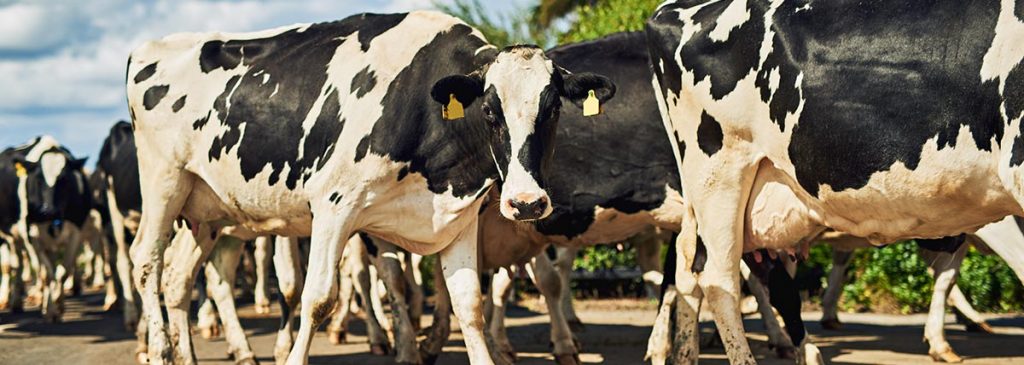
In Gippsland, the 1,200-cow Willowdale Dairy farm transformed waste into energy. Installing a covered anaerobic digester in 2023, they capture methane from manure ponds—previously an uncontrolled emitter—and generate 80% of their electricity needs via co-generation. Solar panels on milking sheds cover the rest, eliminating Scope 2 emissions.
Fertiliser use dropped 35% through precision application guided by soil moisture probes and tissue testing. Total emissions fell 28%, from 1.2 t CO₂-e per tonne of milk solids to 0.85 t. Fonterra, their processor, integrated Willowdale’s GAF-generated reports into their Scope 3 disclosures, strengthening the farm’s banking relationship with Rabobank for expansion capital.
Mixed Cropping: Nitrogen Precision in New South Wales
The 4,000-hectare Riverina Grains partnership faced fertiliser-driven Scope 1 spikes from urea and DAP. Switching to variable-rate technology—integrating satellite NDVI imagery, yield maps, and in-crop soil nitrate tests—they cut nitrogen rates by 40 kg/ha while maintaining wheat yields at 4.5 t/ha.
Cover cropping with vetch and tillage radish boosted soil organic carbon by 0.8 t/ha annually, creating a natural emissions sink. Their emissions intensity improved from 450 kg CO₂-e/t grain to 320 kg. CBH Group now badges their grain as “climate-verified” for export to EU markets under CBAM rules, fetching $15/t above standard prices.
Sheep Enterprise: Feedlot Efficiency in South Australia
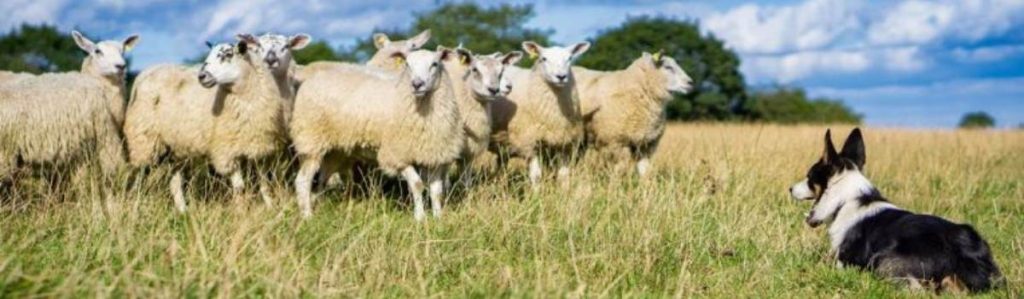
Barossa Woolgrowers, running 8,000 Merino ewes across 12,000 ha, tackled both methane and fuel emissions. They introduced a home-grown barley finishing system, reducing lifetime methane by fattening lambs 20 days faster. Precision autosteer on boundary fencing and mustering cut diesel use 18%.
Using the national GAF framework, they benchmarked against peers, identifying manure management as a hidden 15% emitter. Composting trials with added carbon (straw) stabilised nitrogen, cutting N₂O releases. Emissions per clean kilogram of wool fell 16%, enabling premium sales to Italian spinners demanding verified low-carbon fibre under the ASRS supply chain rules.
Horticulture: Irrigation and Refrigeration Overhaul in Western Australia
The 150-ha Manjimup avocado orchard, part of the Hale Group, confronted Scope 2 electricity from high-pressure pumps and packhouse cooling. Variable-speed drives on pumps matched flow to crop demand, slashing power 45%. Rooftop solar with battery storage powers peak cooling, achieving net-zero electricity.
Mulching orchard floors retained soil moisture, reducing pumping needs further. Fertigation with polymer-coated urea timed releases to uptake, minimising leaching and N₂O. From 8.2 t CO₂-e/ha, emissions dropped to 4.1 t, or 1.2 kg CO₂-e/kg fruit. Costco Australia, a key buyer, uses their data for Phase 1 AASB S2 reporting, with the farm earning sustainability-linked financing from NAB at 0.5% lower rates.
Common Strategies for Farms Reducing Emissions
| Strategy | Emission Impact | Cost Recovery Time | Tools Used |
| Precision agriculture (fert, irrigation) | 25-40% Scope 1 reduction | 12-24 months | Soil sensors, variable-rate tech, FarmPrint |
| Renewable energy (solar, biogas) | 70-100% Scope 2 elimination | 4-7 years | DCCEEW grants, GAF accounting |
| Feed additives/genetics | 15-25% livestock methane cut | 6-18 months | MLA trials, enteric calculators |
| Rotational grazing/cover crops | 10-20% soil C sequestration | Ongoing | GRDC carbon tools, satellite monitoring |
| Waste management (compost, digesters) | 15-30% manure N₂O/CH₄ | 3-5 years | University of Melbourne GAF modules |
All farms started with baseline audits using CSIRO’s FarmPrint or University of Melbourne’s GAF, ensuring data credibility for supply chain reporting.
Challenges for Farms Reducing Emissions
Farms face significant challenges when reducing emissions to comply with Australia’s mandatory reporting under AASB S2. Upfront costs for tools like precision fertiliser applicators, solar installations, or anaerobic digesters often exceed $50,000–$200,000, straining cashflow for family operations already grappling with volatile commodity prices and rising input costs. Data collection proves labour-intensive, requiring meticulous tracking of fuel logs, livestock numbers, and fertiliser purchases—tasks many producers lack time or software for.
Technical knowledge gaps persist, as calculating Scope 1 methane or Scope 3 supply chain emissions demands familiarity with frameworks like FarmPrint or GAF, which aren’t intuitive without training. Scepticism about buyer demands runs high, with farmers questioning whether emissions data truly translates to premium prices amid inconsistent supply chain requests. Finally, regional disparities complicate efforts—remote properties struggle with technical support, while variable climates undermine consistent adoption of practices like cover cropping or rotational grazing. These hurdles demand practical, low-cost starting points and industry-backed guidance to build momentum.
Despite these challenges, Australian farms that tackle emissions reduction head-on are already reaping rewards—premium contracts, lower input costs, and stronger financing terms.
The future of agriculture rewards those who measure, adapt, and lead.
Share